
What is the value of history?

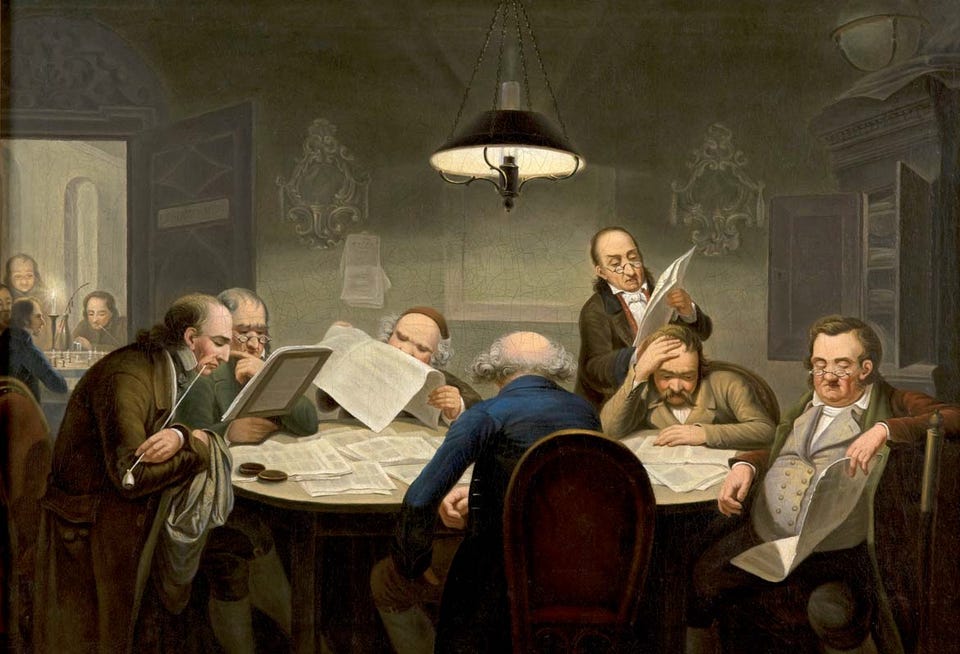
The following squirt of somewhat disjointed opinion was inspired by psychoanalytic anthropologist Dr. Howard Stein. Specifically, his essay Historical Understanding As Sense of History: A Psychoanalytic Inquiry. Although I believe that a psychohistorical method should not be a primary method of evaluation, it is a valuable way of hypothesizing the motives of historical figures, and social movements. Through a multidisciplinary field of knowledge we can examine the tension between covert and explicit behaviors, and the conscious and the unconscious materials which drive motivation. Through a psychoanalytic interpretation of history we can comprehend aspects of collective trauma, pride, values, and beliefs. Through generative curiosity we kindle values which have not been considered in more conventional approaches, as we move together towards our project of intelligent progress.
So, collective culture weaves an unbroken story through space-time, in which events of past, present and future establish a sense of cohesion, solidarity, or suturing. That which unites, that which separates, and that which is collectively repressed. In the well worn words of George Santayana, people who forget history are condemned to relive it. In practice, we remember our defense mechanisms, while forgetting the traumatizing conflict we seek to reconstrue. If, however, we can clip the fetid root through which cultural disease spreads, we can perhaps remediate our unlearned lessons. It’s worth a shot, no?
Having a sense of history means having the ability to extrapolate cultural meaning. Within every culture there is a myth-making, the carving of a group identity through ritualized repetition, and the ethical instructions for becoming a cultural hero. Over time, culture is revealed through its respective patterns, as an ontological record: to observe our past allows us to know how we came into being, and the attitude in which we interpret the past gives us insight into how we exist presently.
It is possible that we learn history so that we do not have to know the present in its fullness, perhaps that would be unbearable. Consequently, history is a kind of frustrating causal nexus, a pattern of eternal recurrence in which everything changes, yet nothing moves. Personally, this doesn't prevent me from radical hope.